

Weight Gain in Perimenopause & Menopause
Many women notice changes in their weight during perimenopause and menopause, particularly around the abdomen. These changes are often influenced by hormonal fluctuations, shifts in metabolism and changes in muscle mass that can occur during midlife.
Weight gain can also occur alongside other menopause symptoms such as sleep disruption, brain fog and changes in mood or energy levels. Understanding the hormonal and metabolic factors involved can help women make informed choices about how to manage these changes during the menopause transition.
Weight Gain in Perimenopause & Menopause
If you feel like your body has suddenly changed in your 40s or 50s, you are not imagining it. Many women notice that weight becomes easier to gain and harder to lose during perimenopause and menopause.
You might be eating the same foods, exercising as you always have, yet your weight — particularly around the abdomen — seems to increase.
This is one of the most common concerns women raise during midlife health consultations. Understanding why these changes happen can help you make informed choices that support your long term health.
The reassuring news is that while hormonal changes influence metabolism, there are effective ways to support your body during this transition.
Why Weight gain happens in Perimenopause & Menopause
Weight changes during menopause are influenced by several factors, including hormonal shifts, changes in body composition and lifestyle factors.
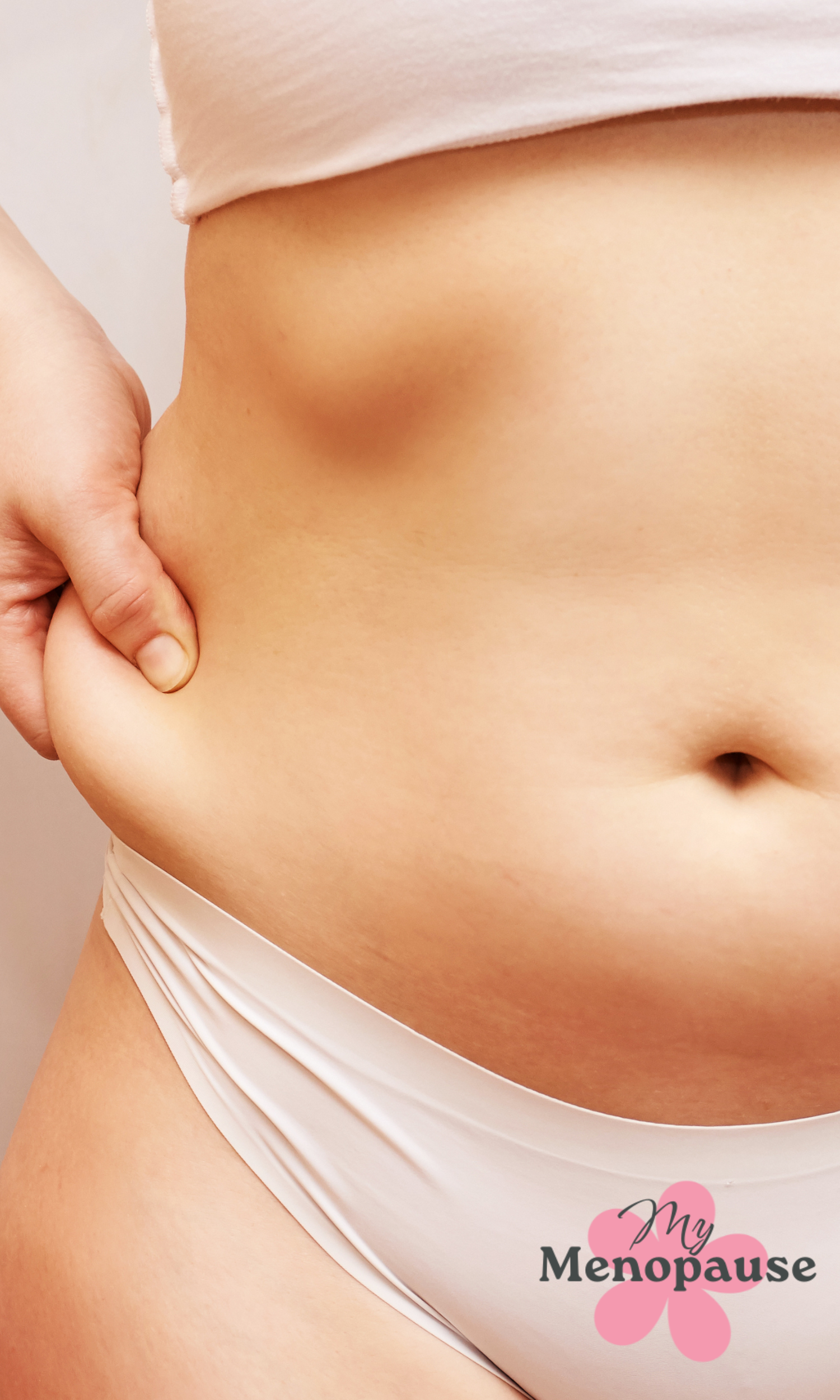
Declining oestrogen levels affect how the body stores fat and regulates metabolism. Many women notice that fat distribution shifts from the hips and thighs toward the abdomen.
This abdominal fat is often called visceral fat. It is stored deeper within the abdomen around organs and is more closely linked to metabolic health.
At the same time, muscle mass naturally declines with age. Muscle helps regulate metabolism and energy use, so a reduction in muscle can make weight gain more likely if activity levels and diet remain unchanged.
Sleep changes, stress and busy lifestyles during midlife can also influence appetite, energy levels and metabolic health.
Abdominal or visceral fat is not only a cosmetic concern. It is metabolically active and associated with a higher risk of several chronic conditions, including:
• type 2 diabetes
• cardiovascular disease
• high blood pressure
• metabolic syndrome
• fatty liver disease
For this reason, maintaining metabolic health during midlife is important not only for weight management but also for long term health and for reducing inflammation inside the body.
Common Changes Women Notice in Midlife
Many women report similar experiences during perimenopause and menopause, including:
• gradual weight gain
• increased abdominal fat
• loss of muscle tone
• slower metabolism
• changes in appetite or cravings
• reduced energy levels
These changes are influenced by hormonal shifts but are also affected by sleep, stress, activity levels and nutrition.
Supporting a healthy metabolism during perimenopause & menopause
Although weight gain during menopause is common, lifestyle strategies can have a significant impact on metabolic health and body composition.
Build or maintain muscle
Maintaining muscle becomes especially important in midlife. Muscle supports metabolism and helps the body regulate blood sugar.
Strength or resistance training two to three times per week can help preserve muscle mass and support metabolic health.
Focus on balanced nutrition
Eating patterns that support metabolic health include meals that contain a balance of protein, fibre and healthy fats.
These foods help support stable blood sugar levels and satiety.
Helpful strategies include:
• eating plenty of vegetables and whole foods
• including adequate protein at meals
• reducing ultra processed foods and excess added sugars
• prioritising fibre rich foods
Stay physically active
Regular movement supports overall metabolic function and helps maintain a healthy weight.
Activities such as walking, cycling, swimming or strength training can all contribute to improved health. Consistency is more important than intensity.
Prioritise sleep
Sleep disturbances are common during perimenopause and menopause. Poor sleep can influence appetite hormones, energy levels and metabolism.
Supporting good sleep habits can help improve overall health and weight management.
Manage stress
Chronic stress can influence hormones that affect appetite and fat storage. Stress management strategies such as physical activity, mindfulness, time outdoors or relaxation practices can support overall wellbeing.
Where Menopausal Hormone Therapy may fit
Menopausal hormone therapy is primarily used to treat symptoms of menopause such as hot flushes, sleep disturbance and genitourinary symptoms.
Common Changes Women Notice in Midlife
Weight changes during menopause are very common and often reflect the body adapting to hormonal changes and ageing.
Rather than focusing only on weight, many experts encourage women to focus on improving metabolic health through sustainable lifestyle habits. We need to move away from assessing health via the numbers on the scales but via our Body Composition (see leaflet on body composition for more information).
Small changes that support muscle, movement, nutrition and sleep can make a meaningful difference over time.
Midlife is not just a time of hormonal change. It is also an opportunity to build habits that support healthy ageing and long term wellbeing.
This information sheet is intended for educational purposes and does not replace advice from a qualified healthcare professional. If you have concerns about weight changes or metabolic health during menopause, consult your doctor or healthcare provider.